Each envelope contains a mix of native perennial seeds selected to support pollinators, improve soil health, and restore local habitat. Choose your planting spot with mature plant height in mind.
Choose your mix
Meadow Mix (Mid Height)
Typical mature height: 2–4.5 feet
A diverse native meadow mix dominated by moderate-height plants, with seasonal variation and occasional taller flowering stems.
Tall Meadow Mix
Typical mature height: 5–8 feet
Similar to the Meadow Mix but includes several larger, structural plants. Best suited for garden edges, back-of-bed locations, and informal meadow areas.
Where to plant
Seeds need direct contact with soil. They will not grow through intact lawn. Good planting spots include garden edges or fence lines, thin or bare areas where grass struggles to grow, hard-to-mow areas, and sites where invasive plants are being removed. Native seeds are also a great way to help repair disturbed soil after construction.
Coverage
One packet is intended to lightly seed approximately 10–30 square feet.
When to plant
Early winter is ideal, but if you missed that window, the best time is now. Seeds that don’t germinate this year may surprise you later.
Can I plant on top of snow?
Yes! Snow cover is not a problem. In fact, planting between snowfalls provides especially ideal conditions, because it makes it easy to see seeding density, and then easily move excess around if you accidentally spill it all in one place (it happens!). More details in this short video. You can even try rolling seeds into snowballs to send them out into hard-to-reach corners. As the snow melts, the seeds will find their way to contact with the soil below. And if snow falls on top of your seeds, they will be protected hungry animals and kept more. or less in exactly the conditions they have evolved to expect in nature.
What kinds of plants?
Explore the full species lists for each mix here.
That’s it! But if you want more detail, keep reading.

Why plant native seeds?
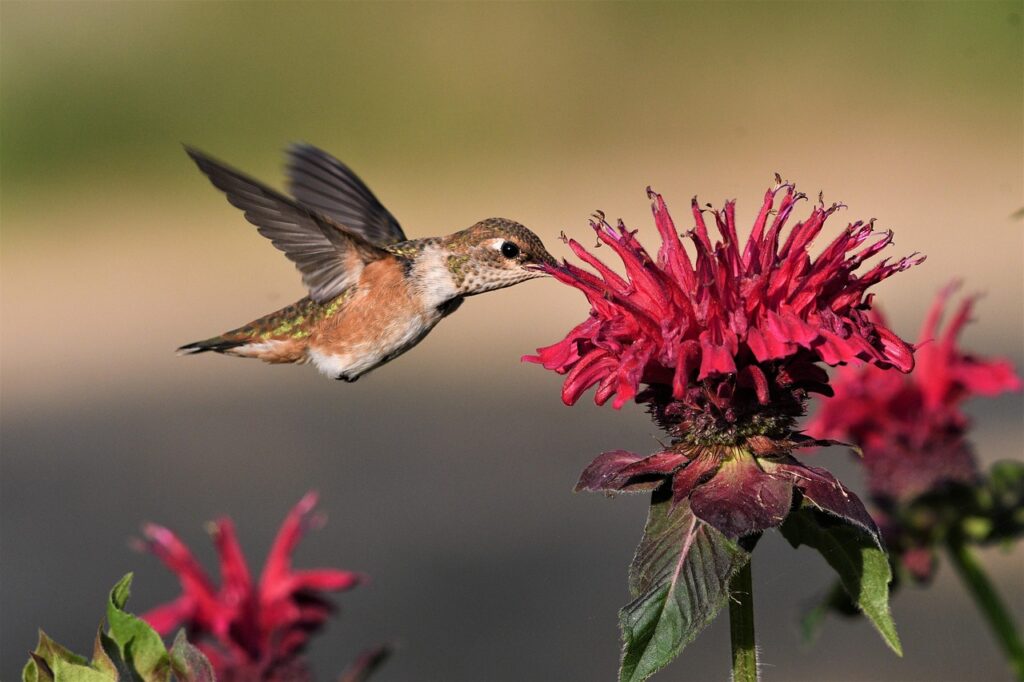
Native plants help the Earth do what it does best: support life. They feed insects and birds, build healthy soil, and help everyday spaces function as living systems again. Even small plantings can grow, spread, and set seed over time, creating ripple effects beyond where they were planted. Native plants have co-evolved in relation to the other species in a given location, and as such are best suited to keep the local ecosystem healthy. Adding native plant seeds can also be used as a helpful defense strategy to keep aggressive invasive plants from filling the gaps.
Planting native seeds is a small action with outsized impact. Alone they certainly won’t fix the world, but if you are looking for easy wins in a complicated time, try this simple act of stewardship. Remember that a handful of seeds can grow into something much bigger over time, and can cycle their own seeds out into the world. You do not need a large yard, special tools, or gardening experience to take part.

How to plant
1 – Scatter seeds thinly by hand onto exposed soil
2 – Seeds should rest on the soil surface. Do not bury them deeply
3 – Press gently with your foot or hand to improve soil contact
For more even distribution, you can mix seeds with sand, clay kitty litter, wood shavings, or compost, but this is optional. Some seeds are very small. If it looks sparse, you’re doing it right.
These plants are adapted to local conditions and often return year after year once established. They do best when they have basic space and light and are not crowded out by taller or more aggressive plants. There are species included for a range of soil and light conditions. The ones best suited to your space are the ones most likely to thrive.
What to expect
Some plants may appear this year. Others may wait until next spring. A few may take even longer. You may forget where you put them and then someday notice a plant you don’t remember planting. This is normal. Native plant communities build slowly, but they last.
Early growth often stays low as plants focus on roots. By the second year, most patches become fuller and more recognizable. Once established, many of these plants return each year with little or no care.
Local Seeds & Adaptation
Most of these seeds were collected in and around Lexington, often from plants already growing and setting seed locally. Plants adapted to this area tend to establish more reliably and support the insects and birds that already live here.
Learn More About the Role of our Yards and Gardens
If you’re curious about the bigger picture, Dr. Doug Tallamy explains why restoring native plants matters, even in small spaces:
More Resources
Native plants + climate resilliance
You can fight native seed shortages by planting, saving and sharing native seeds!