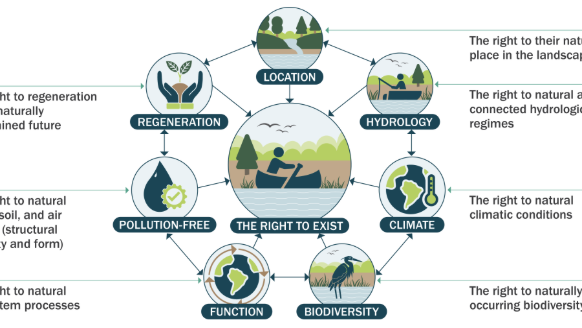
Global leaders and governance organizations are calling for transformative change as a way to navigate our future, thereby achieving a stable and livable climate and reversing the current biodiversity crash. Through a Rights of Nature/Wetlands lens, such a shift considers humans as part of Nature, not separate or superior to Nature. Indigenous Peoples who, for millennia, have viewed Nature as kin have often led the Rights of Nature movement. This paradigm shift translates the ethical valuing of Nature’s rights to exist, to have a place to exist, and to regeneratively participate in Earth’s natural processes into legal rights that can be defended, as a means of halting the current trajectory of ongoing degradation and destruction of Nature. Attendees will learn about the development of the Rights of Nature movement, with a special focus on Rights of Wetlands, and efforts to implement Rights of Nature and wetlands. Attendees will learn about key decisions during implementation of Rights of Wetlands, successful approaches, and lessons learned from some of the less successful cases. When implemented strategically, outcomes for wetlands, climate, and biodiversity can be improved. Links to materials will be shared including: Rights of Wetlands infographics/Quick Guides; Transforming Our Relationship with Wetlands: A Guide to the Rights of Wetlands; the Universal Declaration of the Rights of Wetlands; links to peer-reviewed journal articles on ROW; and a link to the Rights of Wetlands website.